
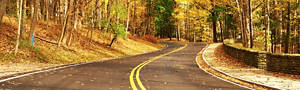
FALL DRIVING
Fall is characterized by cooler temperatures, shorter daylight hours, and tons of leaf or plant debris on the road as plants begin to hibernate.
Some common issues drivers face in fall include:
Lowered tire air pressure
Increased wet conditions
Increased road obstacles (leaves, tree branches, etc.,)
Decreased daylight
Potholes
Tire pressure
TIP: Check your tire pressure once a month (or more) and before any long trips. Keep them at the manufacturer’s recommended PSI.
You can find your tire’s recommended air pressure on the driver’s door panel, your glove box door, or your owner’s manual.
You may notice that your tire’s air pressure is acting up once the cool months set in. Temperature affects your tire pressure with cool air compressing and warm air expanding. This is why you’ll notice your tires are a little flat on brisk mornings.
Proper air pressure keeps your tires at their safest. Incorrect tire pressure affects treadwear, fuel efficiency, and performance.
Hydroplaning & wet weather hazards
TIP: Reduce speed and pay close attention to road surfaces in rainy or wet conditions. Avoid standing water that might cause hydroplaning.
In many parts of the United States, fall weather often means wet weather. Wet weather driving can be difficult so take care to drive safely.
Your tires can lose traction in wet fall weather because the rain water mixes with oil or grime accumulated during summer months. Deep puddles or long stretches of a layer of water can increase the risk of hydroplaning if your tires can't remove water from its tread quickly enough.
Tread depth
TIP: Check your tread depth once a month (when you perform your air pressure checks)! Replace extremely worn tires ASAP.
Discount Tire offers FREE air checks to make staying safe easy. It’s fast, easy, free, and no appointment required.
Tread depth plays a big role in keeping you and your vehicle safe. Adequate tread depth helps clear your tires’ way through water and keep your tires contact patch in contact with the road.
Traction—and stopping power—can be seriously diminished as early as 5/32’’ of tread depth in wet conditions.
Pot holes
TIP: Drive at safe speeds, avoid potholes whenever possible, reduce speed if you must drive over one, and have your tires and wheels inspected if you do.
During winter, moisture seeps into road surfaces. As this moisture freezes and unfreezes, the roadway expands and cracks–leading to potholes.
If you hit a pothole hard enough, you can sustain serious damage to your tires, wheels, and even suspension components. It can be hard to see potholes when they’re covered by piles of leaves or in the early dusk of the late afternoon.
Some regions in the US have a big problem with potholes and other uneven surfaces. Here’s what you can do if you can’t avoid potholes:
Keep your tires properly inflated (so they’re less susceptible to damage)
Reduce your speed as you approach and release the brake (to limit the impact)
Immediately have a professional inspect your tires and wheels for damage
Potholes can bend and/or crack wheels and cause irreparable damage to tires. It may not be noticeable to you immediately but can cause failure in the future.
If you do need to replace your tires or wheels, we have you covered with our massive inventory at our legendary low prices. Be sure to buy and book online to save time!
Call or stop by your nearest store or schedule an appointment if you have any other questions. We’ll get you taken care of!