

Trending Trailer Tires


About Trailer Tires:
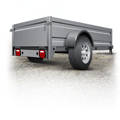
Designed to carry heavier loads for towing, trailer tires can be used for boats, campers, utility trailers, and toy haulers. Choose from bias ply and radial ply options. Make sure your tires are designed to handle the load weight you need and driving conditions you’ll encounter.
Trailer Tires and Wheels
Hitch up on convenient savings on our trailer tire and wheel packages!
Not all Discount Tire stores are equipped to handle your recreational vehicle. Check our page on commercial tire installation locations to see where we can service your RV.
RV trailer tires are not the same as passenger car tires. They experience significantly heavier loads than cars, which accelerates wear. RV tires can potentially see more miles and more varied terrain due to the nature of a recreational vehicle.
RV tires are frequently one of two types: ST (Special Trailer) or LT (Light Truck) tires. ST tires are constructed to withstand UV rays, resist sway, and overcome environmental dangers. They also feature thicker sidewalls and narrower tread to better handle weight. LT tires, though not specifically designed for towing trailers, can also be used in some instances. They tend to absorb impacts well, as they were designed to be comfortable passenger tires.
Recreational Vehicles come in a wide range of sizes. They are divided into three classes: A, B, and C.
Class A RVs are the largest size, and are typically built on a heavy-duty chassis that you see on large trucks and buses. They’re a popular full-time RV option.
Class B RVs are the smallest, and are typically built on a van chassis. You may know them as “camper vans” and are very maneuverable and fuel efficient.
Class C RVs are mid-sized and often feature a sleeping area above the cab. They typically use a cutaway chassis and provide a good combination of amenities, affordability, and space.
BEST RV TRAILER TIRES
The best RV trailer tires for you are ones that are suitable for the weight and speed for your vehicle/trailer. Choosing a tire that cannot handle your RV’s weight class and your top driving speed can lead to blowouts, damage, and unsafe driving conditions.
Some larger RV trailers use commercial tires, typically in 19.5’’ sizes. Larger tires cost more than smaller ones so you can expect a higher cost per tire. RV van chassis can take LT or Euro sizes, allowing them to be a little less expensive.
Another consideration should be the tire’s construction type. All tires are constructed either in a radial ply or a bias ply. Radial ply tires use steel belts running at a 90 degree angle to the center tread line. Bias ply tires are made with belts (usually nylon) that run at a 30 to 45 degree angle of the center trendline.
Radial ply tires:
Have a wider footprint
Tend to run cooler
Tend to have a longer tread life
Generally tougher due to steel belts
Bias ply tires:
Generally have stronger sidewalls
Tend to roll straighter
Less expensive than radials
Tend to be OE options on utility and smaller trailers
For your larger RV with 19.5’’ tires, the Mohave HD 1960 is a superb option with impressive wet traction, durability, and long tread life. The Michelin Agilis HD All Season offers excellent seasonal traction and consistent performance.
For smaller RVs, the Yokohama YK-HDX offers a budget-friendly option with construction-grade durability, a 50k mileage warranty, and great service. For another LT or Euro size choice, check out the Pathfinder HSR, also with a 50k warranty, comfortable, long-lasting ride, and wear-resistant tread compound.
RV TRAILER TIRE PRESSURE
Discount Tire can check your air pressure for FREE, no appointment needed.
FREE AIR CHECKThe correct air pressure is key to keeping you and your vehicle safe. This is even more necessary when dealing with heavy loads and large vehicles, which rely on appropriate PSI to support their weight.
Overloading and underinflation are a recipe for disaster. Frequently check your RV’s tires to make sure they’re good to go.
RV trailer tires require an air pressure that’s often double that of a typical car tire, between 50 and 80 PSI. Check your vehicle manual or placard to find the correct air pressure.
Keeping your tires underinflated will reduce their service life, kill your fuel efficiency, and reduce towing capacity. Overinflated tires create a bumpy ride, increase braking distance, and subject your brakes, suspension, and tires to escalated wear and tear. Keep an eye on your RV’s weight to make sure you have your tires at the appropriate PSI.
RV tires use either compressed air or nitrogen. Compressed air is easily available while traveling with some drivers carrying their own portable air compressor for top offs. Nitrogen can help maintain proper air pressure for longer periods of time but requires professional tools to inflate–making it more difficult to fill up while on the road.
Keep in mind that elevation and temperature changes will also affect your tire’s air pressure.
RV TIRE MAINTENANCE
Odds are that your RV costs a pretty penny, or at least more than you can afford to waste! Keep your RV tires in good shape to extend the life and utility of your recreational vehicle.
We go into depth about trailer tire maintenance here but we’ve summarized below.
RV tire maintenance includes:
Proper storage: store in a flat, cool, dry, and preferably covered place as UV rays are harmful to your tires. If your RV will sit for a long period of time, consider removing your tires and storing them or covering them with a tire cover.
Regular inspections: Check your tires for wear or damage on a monthly basis and before using them on long trips.
Tire rotations and balancing: helps protect against vibrations and uneven wear.
Cleaning: use mild soap and water (avoid petroleum, alcohol, or silicone-based products, which damage rubber) to protect against contaminants and road debris.
If you can’t find what you’re looking for, don’t worry: we can special order just about any wheel or tire out there. Give us a call and we’ll get you taken care of. When you’re ready, find your nearest store or schedule an appointment. Buy and book an appointment online and save time in-store!