Cheap tires may cost less upfront, but they can wear out faster and deliver less value over time. Learn how miles per dollar can help you compare tire value and reduce your driving cost per mile.
When you’re shopping for tires, low prices can be tempting. But choosing the cheapest option isn’t always the best way to save money.
In many cases, tires with slightly higher upfront cost can deliver better performance and last significantly longer. This is why looking at tire value and not just price is so important.
We can do this by looking at miles per dollar.
Use Treadwell to Find Value TiresWhat Does Miles Per Dollar Mean?
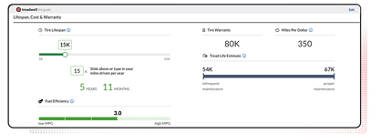
Miles per dollar is a simple metric to compare tire value. It’s calculated by dividing the expected lifespan of a set of tires by the total cost of those tires.
Miles per Dollar = Expected Tire Life ÷ Total Tire Cost
For example, if a set of tires cost $500 and is expected to last 50,000 miles, that equals 100 miles per dollar. This means you can expect to drive roughly 100 miles for every dollar spent on those tires.
This metric helps drivers understand long-term value rather than focusing only on initial price.
Cheap Tires vs. Value Tires
Watch to learn more
See how miles per dollar is calculated on the Discount Tire website.
Not all affordable tires provide the same level of performance or longevity.
You can make a smarter tire buying decision by understanding the difference between cheap tires and value tires.
| Factor | Cheap Tires | Value Tires |
|---|---|---|
| Upfront price | Lower | Higher |
| Expected tread life | Typically shorter | Typically longer |
| Replacement frequency | More frequent | Less frequent |
| Fuel efficiency | Often lower | Often higher |
| Miles per dollar | Lower overall value | Higher long-term value |
Cheap tires may save money at the time of purchase, however they tend to wear out faster and perform less efficiently than value tires. This means the initial savings disappear quickly.
Value tires typically cost more upfront but often deliver better durability, improved performance, and longer treadlife, increasing their miles-per-dollar value.
Why Cheap Tires Can Cost More Over Time
A lower initial purchase price doesn’t always translate into lower overall driving costs. In fact, sometimes cheap tires can lead to higher expenses over time due to their shorter lifespan and reduced performance.
Some common drawbacks of cheap tires include:
- Shorter tread life
Lower cost tires may wear out faster, increasing the risk of damage or the frequency of replacement. - Reduced fuel efficiency
Entry-level tire manufacturing tends to focus on low priced materials and production so efficiency often takes a back seat. - Less consistent traction
Lower quality tires may provide less traction, particularly in challenging situations like wet or winter weather.
Over time, replacing tires with a greater frequency can significantly increase your total amount spent on tires, even though the tires are cheaper.
How Tire Choice Impacts Your Driving Cost Per Mile
Your tires play a major role in your vehicle’s driving cost per mile.
Although fuel and maintenance contribute to your vehicle’s operating costs, tires influence several key factors. These include:
- Fuel economy
- Tire lifespan
- Ride comfort
- Vehicle safety (the ability to stop and control your ride)
Longer lasting tires reduce replacement frequency and efficient tire designs can improve fuel economy. Together, these factors help lower the overall cost of operating your vehicle.
Drivers can choose tires that deliver a better value over time by evaluating both price and expected lifespan.
Compare Tire Value with the Treadwell Tire Guide
Tire shopping can feel overwhelming with so many options available. Discount Tire has developed Treadwell to help customers find the right tires for their vehicle, their region, and their budget.
Treadwell compares tires using important factors like:
- Tread life
- Performance ratings
- Driving conditions
- Expected longevity
- Miles-per-dollar value
Instead of guessing which tire might last longer, Treadwell can help you make a more informed decision using objective third party testing data.
Plus, it’s pretty easy to use Treadwell:
- Enter your vehicle make, model, and trim (we’ll show you how)
- Tell us what kind of driver you are or what’s important to you
- Tell us where you drive (zip code)
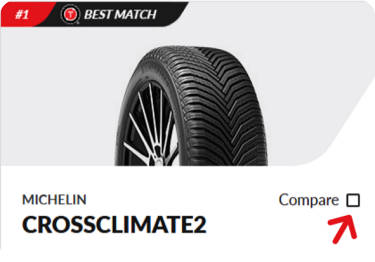
Treadwell will then suggest tires that fit your vehicle, your driving conditions, and your needs.
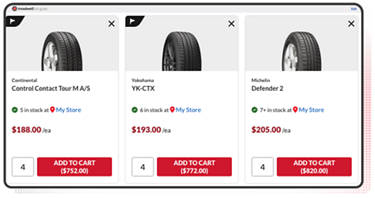
You can even compare tires using the “Compare” box to quickly see differences in performance between tires, including Life of Tire & Cost Estimates.

How to Reduce Your Driving Cost Per Mile
Starting with tires designed for longevity is important for lowering driving costs, but proper tire maintenance also plays a major role.
A few simple habits can help extend your tire’s tread life and also improve fuel efficiency.
- Check Tire Pressure Regularly
- Rotate Tires on Schedule
- Maintain Proper Wheel Alignment
Proper air pressure is paramount to keeping your tires healthy for as long as possible. It also improves fuel economy, dry and wet traction, and reduces uneven treadwear.
Discount Tire offers free air checks!
Free Air ChecksRoutine tire rotations help distribute wear evenly across all four tires. We recommend rotating them every 6-8,000-miles (or every other oil change).
Misaligned wheels can cause tires to wear prematurely. Annual alignment checks help protect your tire and wheel investment.
Select Discount Tire locations now offer wheel alignment services!
Wheel Alignment