
Watch to learn more
Check this out!
Summary
Aluminum alloy wheels are typically lighter than steel wheels, which can help improve fuel efficiency by reducing the energy required to accelerate the vehicle. Steel wheels are usually heavier but are typically more durable and less expensive. Aluminum wheels are a stronger fit for drivers prioritizing efficiency and handling, while steel wheels are preferred for value and toughness.
ALUMINUM VS STEEL WHEELS AT A GLANCE
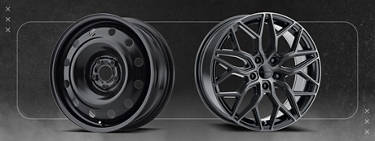
Aluminum wheels are made with an aluminum alloy, not just aluminum. They are light, fuel efficient and can cost more than steel wheels.
Steel wheels are heavier, more durable and more affordable.
The majority of passenger vehicle wheels on the market are aluminum alloy. Steel wheels tend to be found on heavy-duty vehicles, but there are also steel options for passenger cars, SUVs and light pickup trucks.
| Feature | Aluminum Wheels | Steel Wheels |
|---|---|---|
| Weight | Lighter | Heavier |
| Fuel Efficiency | Slightly higher | Slightly lower |
| Cost | More expensive, typically | More affordable, typically |
| Durability | Moderate | High |
| Appearance | Wide range of styles and finishes | Typically basic designs, no fancy finishes |
How wheels impact fuel efficiency comes down to weight, durability and performance. Keep in mind that the real-world impact on efficiency is modest and depends on many factors, including driving habits, vehicle weight and tire selection.
HOW WHEEL WEIGHT AFFECTS FUEL EFFICIENCY
Vehicle weight, which includes wheel weight, plays a role in fuel efficiency, but it is important to keep expectations realistic.
Lighter components such as aluminum alloy wheels require less energy to accelerate, especially in stop-and-go driving. The U.S. Department of Energy notes that reducing vehicle weight can improve efficiency, but the effect will depend on driving conditions and the vehicle itself.
In general, however:
- Less weight can reduce fuel consumption during acceleration
- The benefit is more noticeable in city driving
- Highway fuel economy is less affected
Changing your wheels alone will not dramatically increase MPG or battery range, but it can contribute as part of an overall weight reduction strategy.
ALUMINUM WHEEL BENEFITS
Aluminum wheels have several benefits over steel wheels when it comes to performance:
- Enhanced fuel efficiency
Aluminum alloy wheels are lighter than steel wheels, which can improve fuel efficiency by reducing the energy needed to move the vehicle. The difference is typically small but measurable over time. - Better heat dissipation
Aluminum wheels dissipate heat more effectively than steel, which can support braking performance and reduce heat buildup. - Design versatility and aesthetics
Aluminum wheels offer a wider range of styles and finishes, making them a popular choice for drivers who value both performance and appearance.
STEEL WHEEL ADVANTAGES
SHOP STEEL WHEELSSteel wheels have a few advantages over aluminum wheels when it comes to practicality:
- Weather resistance
Steel wheels are well regarded for their capability to withstand harsh weather conditions, such as winter and wet seasons. They can also withstand the heavy salt exposure expected in winter regions.
- Cost-effectiveness
Steel wheels are more affordable to purchase and replace than other wheel construction types. - Strength and durability
Steel wheels offer great strength and durability in resisting damage, especially in rough conditions like potholes or unpaved roads. They are less likely to crack, so they are ideal for heavy-duty utility.
TIRE GRIP COMPARISON AND PERFORMANCE IMPACT
When it comes to grip or traction, the tire itself and not the wheel plays the biggest role.
However, wheel weight can still influence handling:
- Lighter aluminum wheels can improve responsiveness and steering feel
- Heavier steel wheels may feel less agile but remain stable
Overall: differences in traction are minimal between aluminum and steel wheels if tire models are the same, but you may experience slight differences in handling.
REAL-WORLD FUEL EFFICIENCY DIFFERENCES
In real-world driving scenarios, aluminum wheels may provide slightly better fuel efficiency than steel wheels, but the gains are generally modest.
You will notice the biggest difference when:
- Driving in the city with frequent acceleration
- You have reduced weight across multiple components
On highways where speed is more consistent, the impact of wheel weight on fuel economy is typically less noticeable.
WHICH IS BETTER FOR FUEL EFFICIENCY?
Aluminum alloy wheels are generally the better choice if your goal is to improve fuel efficiency due to their lighter weight.
However, steel wheels may be a better option for you if you:
- Drive in rough or winter conditions
- Prioritize durability
- Want a lower cost wheel
CONCLUSION
In summary, the key differences between steel and aluminum wheels are:
- Aluminum wheels are lighter and can help improve fuel efficiency
- Steel wheels are heavier but are more durable and cost-effective
Drivers focused on efficiency and performance should opt for aluminum alloy wheels thanks to their advantages in weight and responsiveness. Drivers who prioritize durability and affordability should consider steel wheels for a reliable and practical choice.
The best option depends on your driving conditions, budget and overall vehicle needs.
FAQ
Below are some of the most frequently asked questions about steel and aluminum alloy wheels.
Aluminum alloy wheels are a little more fuel efficient than steel wheels because they are lighter. However, real-world differences between the two wheel types is typically small and varies by driving conditions.
Lighter wheels can contribute to improved gas mileage because they reduce overall vehicle weight. The impact is usually modest and more noticeable in city driving than on highways.
Steel wheels offer better durability, lower cost, and harsh condition performance. Aluminum wheels are typically preferred for lighter weight, handling, and appearance.
Wheels have a limited impact on tire grip/traction, which primarily depends upon the tires themselves. However, wheels can improve handling responsiveness.
Ready to roll?
If you have any questions or are unsure what wheels work best for you, drop in or give us a ring. We'll get you taken care of. Buy and book online and save time in-store.
Stay up to date with Discount Tire content: add us as a Preferred Source in Google Search.
For more information on this and other tire and wheel services, check out ourYouTube Channel or reach out to us on X, Instagram, Facebook, TikTok and LinkedIn.